Navigating the Truth: How to Spot Authentic News and Research
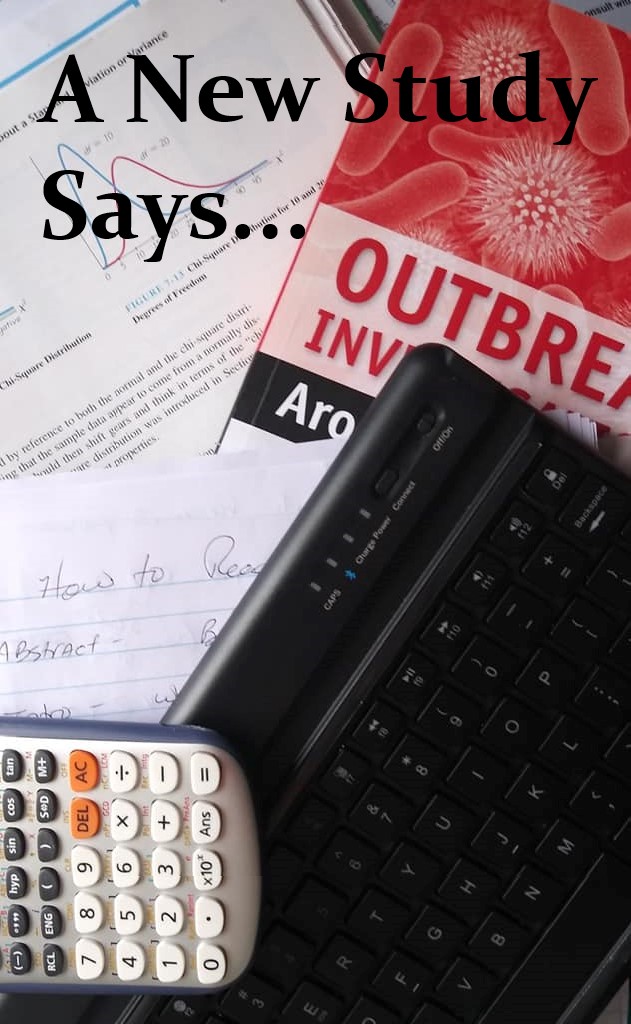
Ever found yourself wondering if those news articles are as legit as they claim? Or what about those posts that pop up on your social media feed? It’s like trying to solve a mystery with a million different suspects! And seriously, when an article starts off with “a new study says,” it’s like the plot thickens even more. Especially when it’s all about something as important as your health. But wait, here’s the kicker – ever heard of statistical analysis? Yeah, neither have most of us. It’s like deciphering a secret code!
So, imagine this wild scenario: a study declares that the whole world is obsessed with wearing pink. Hold up – did they interview the entire planet? Nope! They asked a whopping 15 elementary school girls if they rocked pink at least once a year. Now, that’s a tiny sample size for such a grand claim. Can you believe that just 15 girls are supposed to represent all of humanity? Not in a million pink dreams! But while some articles might twist the facts, there are legit ones that are based on good ol’ evidence.
You see, studies that go through the peer-review process are like the A-listers of the research world. They’re the ones that hold their heads high and say, “Yep, we’re the real deal!” Now, imagine you’re reading about a brand-new diet, a magic medication, or an exercise plan that promises to turn you into a superhero. It’s like navigating through a maze of conflicting info. We’re all drowning in information out here!
But guess what? There’s a secret weapon – going straight to the source! Yep, the original research is where the gold’s at. But hold up – when you finally get your hands on a peer-reviewed article, it’s like decoding a spy message. These articles can be longer than a to-do list on a Monday morning, but don’t freak out – there’s a superhero strategy to tackle them like a champ.
Here’s the scoop on what you’ll find in a scientific article:
- Title: Like the cover of a mystery novel
- Abstract: The sneak peek that spills the beans
- Introduction: Setting the stage for the action
- Literature Review: The background story, like what led the characters to this point
- Methods: How the research went down – it’s like the play-by-play
- Results: The big reveal – charts and graphs and all that jazz
- Discussion: Where the characters analyze the plot twists (a.k.a. the results)
- Conclusion: Wrapping things up and waving goodbye
- References: A treasure map to all the sources they used
Each section is like a puzzle piece that makes the whole picture come together. And the abstract? It’s like that juicy teaser at the beginning of a movie trailer. It’s the section that spills the beans in just one paragraph – talk about a shortcut to the good stuff! Unlike a bedtime story, scientific articles spill the tea upfront. The abstract basically tells you what the researchers found in just seven steps:
- The problem and why it’s a big deal
- All the nitty-gritty details about the problem
- The theories that back up the whole thing
- How they pulled off the research
- What they uncovered in the data
- What they’re making out of those discoveries
- What to do next or where the adventure could lead
So, if you’re ever reading something that sounds wild or raises an eyebrow, remember to go straight to the source! Give that abstract – the quick summary – a whirl and make your decisions based on real-deal evidence. Think of it like becoming a detective of information – you’ve got this!


 Sparkle After 50
Your Voice Matters > Add Your Wisdom Here